What paper tooth means
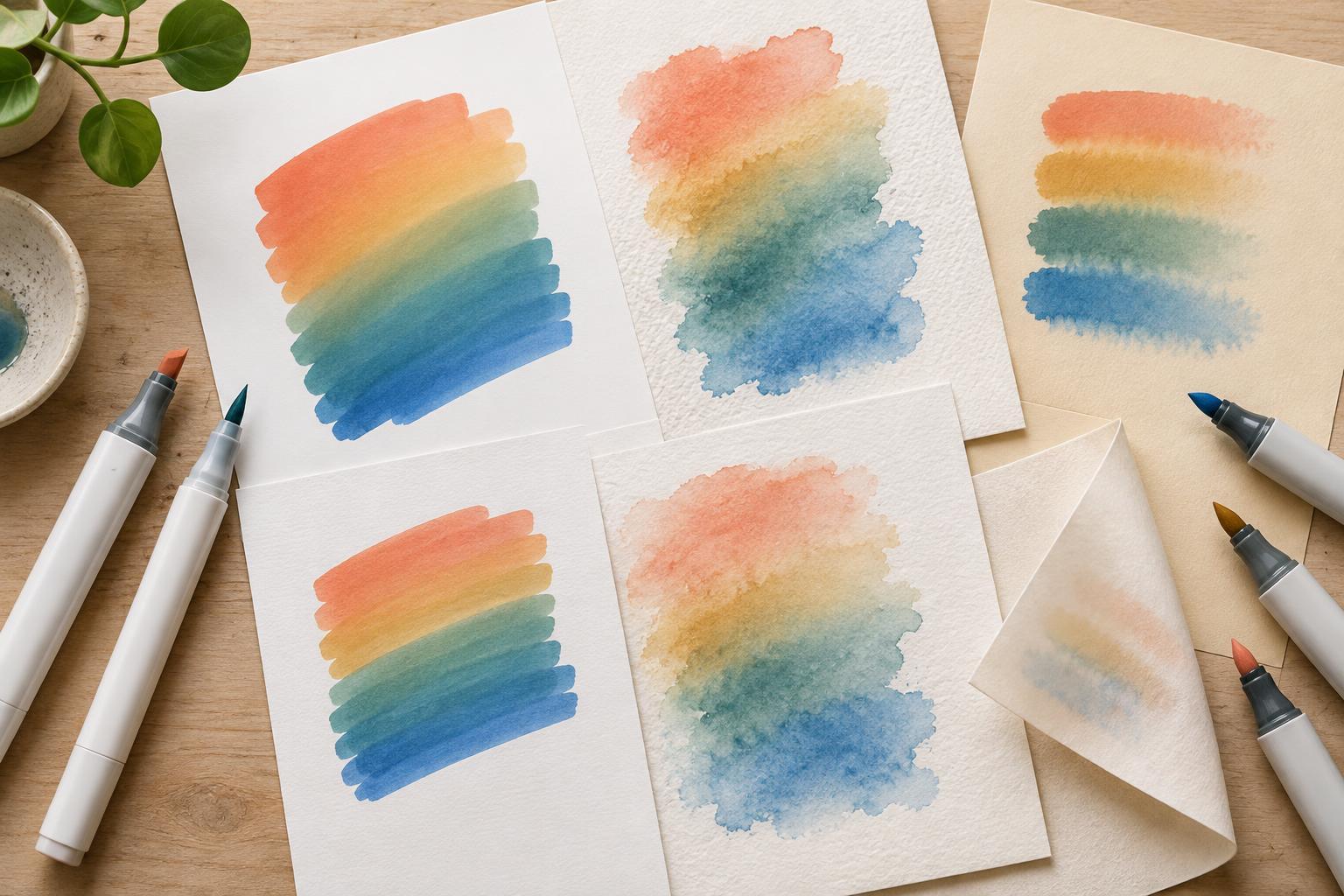
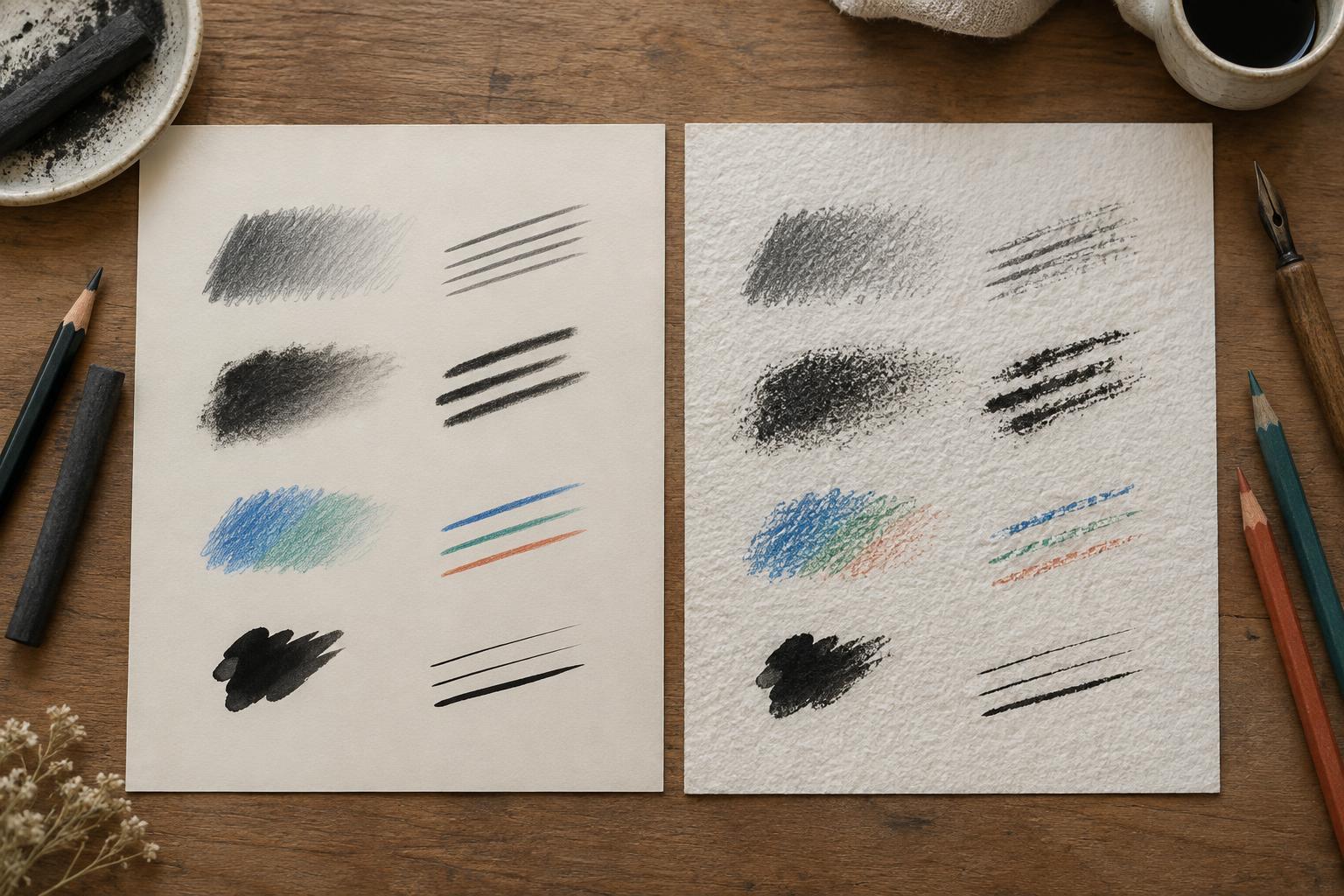
Paper tooth is the fine texture of a sheet’s surface. Run a pencil across paper and the raised parts catch material first, while tiny low spots may remain lighter. On smooth paper, those differences are less noticeable. On a heavily textured sheet, they can become part of the drawing: a broad stroke may break into flecks of color or leave a visible grain.
Tooth is only one part of how paper behaves. Firmness, thickness and absorbency also affect a mark. Two sheets that look similarly textured may feel different under a pencil or respond differently to wet ink. Treat labels such as smooth, medium and rough as starting points rather than exact measurements; trying a small mark is often more useful than choosing by name alone.
What changes on smooth paper
A smooth surface makes it easier to draw crisp edges, small details and even-looking lines. Graphite can travel across it with little interruption, which suits fine hatching, lettering and carefully blended tonal work. A smooth sheet also shows changes in pressure clearly: a heavy hand may leave dark grooves that remain visible if you erase.
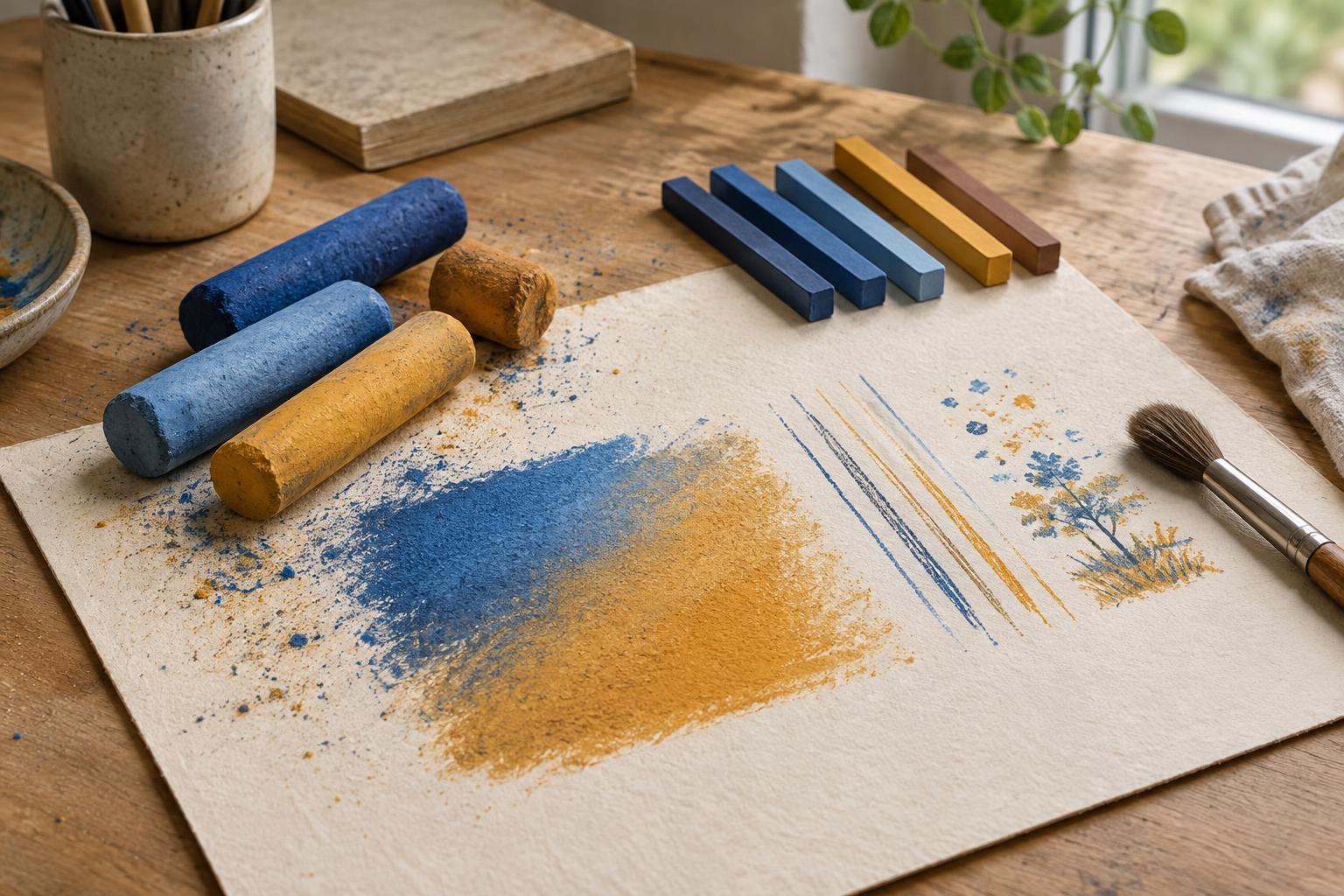
Because there is less texture to grip loose particles, charcoal and soft pastel may move around more readily on a smooth sheet. Colored pencil can look sleek, but building many layers may become difficult once the surface feels filled. Pen lines often look clean on smooth paper, although the result still depends on the paper’s absorbency and the ink. Test an unfamiliar pen before committing to a detailed drawing, especially if you need sharp outlines.
What changes on textured paper
A more pronounced tooth catches graphite, charcoal or colored pencil on its high points. This can make a light stroke look lively and broken rather than uniform. It also gives dry media places to settle as you add layers. With colored pencil, for example, a textured surface can help you build overlapping colors while allowing bits of the paper tone to show through.
Texture can make precise marks less predictable. A very fine line may skip over the surface, and a shaded area may reveal more grain than you intended. You can use that effect deliberately for stone, foliage or an airy shadow. To cover the grain more fully, try changing stroke direction or adding gentle layers instead of pressing hard at once. Heavy pressure can flatten the tooth, reducing the surface’s ability to accept further marks.
Match the surface to the tool and the drawing
For a graphite study with tiny details, start with smooth or lightly textured paper. For expressive charcoal, a medium or rougher surface may give broad strokes more character and make gradual layering easier. Colored pencil artists may prefer some tooth for layering, while those seeking a polished finish may favor a finer surface. These are useful tendencies, not rules: your pressure, pencil grade and working method matter too.
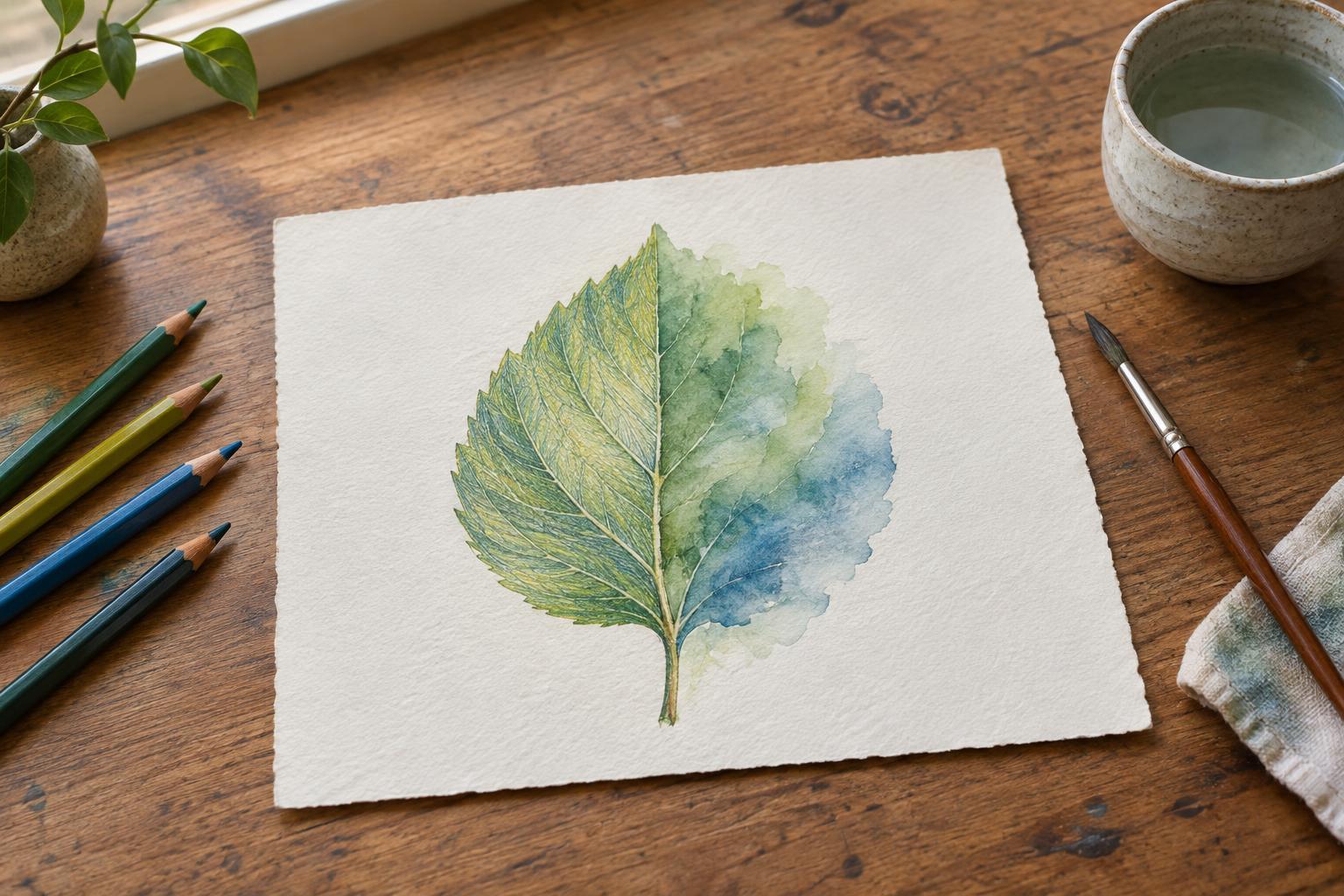
Wet media need another check. Tooth describes texture, but it does not tell you whether a sheet can comfortably handle a wash. If you plan to combine drawing with ink washes or watercolor, choose paper intended for wet use and test how it responds. A textured sheet might produce an appealing broken dry-brush mark, while a smoother one may better suit controlled pen work. Neither result is inherently better; the question is whether it supports the drawing you have in mind.
Make a quick paper test before a larger drawing
Cut or set aside a small area of each candidate sheet. With the tools you expect to use, draw a thin line, a broad side-of-pencil stroke and a patch built from several light layers. Try lifting a mark with an eraser and adding another layer afterward. If you use ink, test a line and a small filled area, allowing them to dry before judging the edges.
Look at the marks from a normal viewing distance as well as close up. Does the texture add energy, or distract from the subject? Can you reach the darks and details you need without forcing the tool? Keep the labeled samples for future reference. Paper tooth is easiest to understand not as a ranking from good to bad, but as a set of possibilities you can choose from deliberately.