
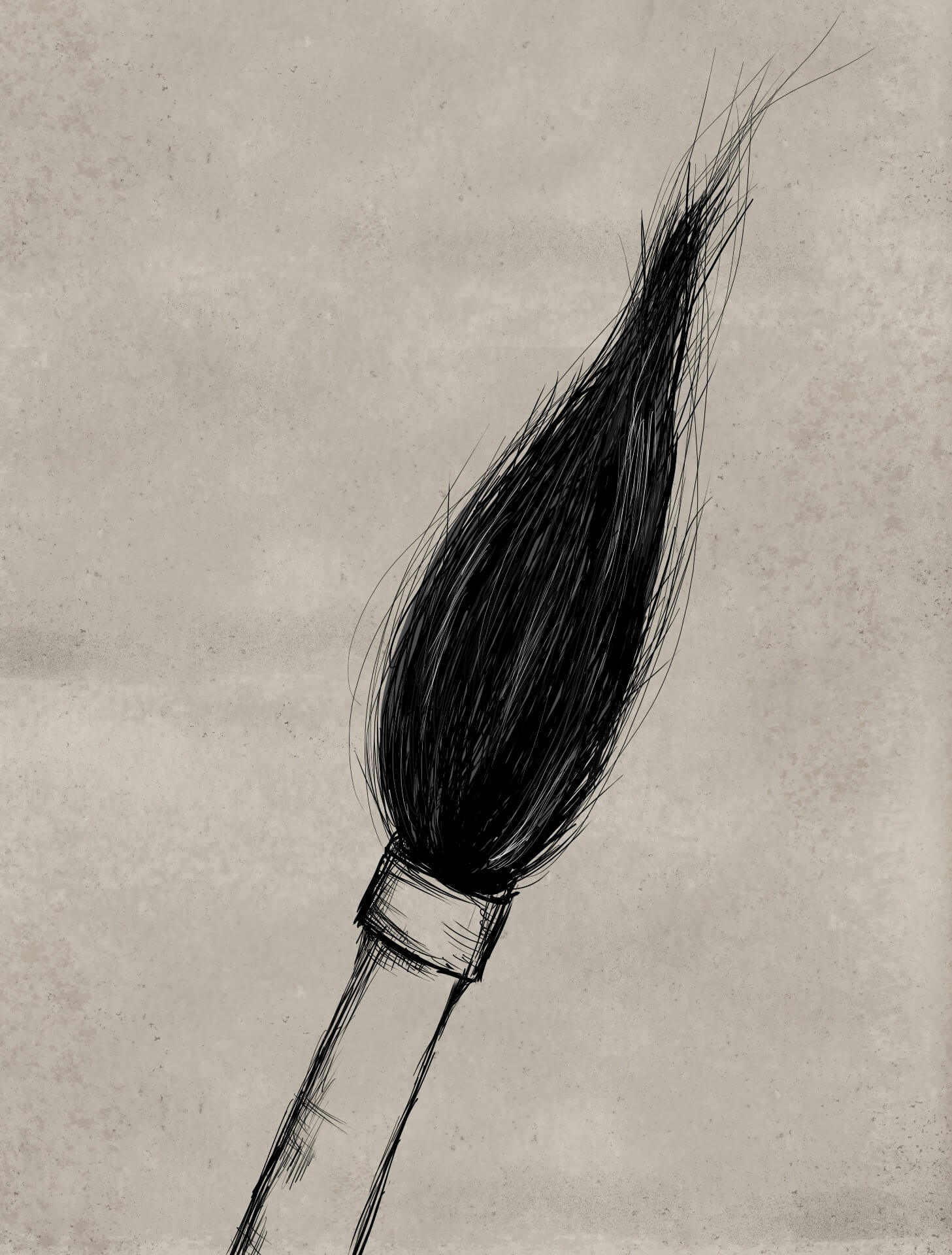
Why Modern Creatives Are Escaping Digital Overload
Are you a modern creative feeling overwhelmed by the digital world? The constant barrage of notifications, endless scrolling, and the pressure to maintain an online presence can be exhausting. In this fast-paced digital age, many creatives are finding solace and renewed inspiration by intentionally stepping away from the screen and embracing a more mindful, creative lifestyle. This shift isn’t about abandoning technology altogether, but rather about finding a healthier balance and rediscovering the sources of true visual inspiration.
The Growing Challenge of Digital Overload for Creatives
The creative process thrives on focus, introspection, and deep engagement. However, the digital environment often fosters distraction and superficiality. For artists, designers, writers, and other creative professionals, this digital overload can manifest in several ways:
- Information Fatigue: The sheer volume of content available online can be overwhelming, making it difficult to filter and absorb meaningful information.
- Comparison Culture: Social media platforms often fuel a sense of inadequacy as creatives compare their work and progress to curated online personas.
- Reduced Deep Work: Constant interruptions from emails, messages, and notifications fragment attention spans, hindering the ability to engage in sustained, focused creative tasks.
- Burnout: The pressure to constantly produce and be visible online can lead to exhaustion, diminishing passion and creativity.
This constant digital stimulation, while offering access to vast resources, can paradoxically stifle the very creativity it aims to support. It’s a paradox that many modern creatives are actively seeking to resolve.
Reclaiming Focus: The Power of a Creative Lifestyle
Escaping digital overload isn’t about Luddism; it’s about intentional living and cultivating practices that nurture the mind and spirit. A creative lifestyle is characterized by a conscious effort to engage with the world in ways that spark imagination and foster well-being. Key elements often include:
Mindful Engagement with the Physical World
Spending time in nature, visiting galleries and museums, exploring new environments, or simply observing the details of everyday life can provide rich, tangible sensory input that digital screens cannot replicate. This direct experience fuels originality and offers a respite from the artificiality of the digital realm.
Intentional Skill Development and Practice
Dedicate time to hands-on creative pursuits that require focus and precision. Whether it’s painting, pottery, writing, playing a musical instrument, or coding a passion project away from work demands, these activities cultivate discipline and provide a sense of accomplishment independent of online validation.
Curated Consumption of Inspiration
Instead of passively scrolling through feeds, actively seek out sources of visual inspiration that resonate deeply. This might involve collecting physical art books, subscribing to niche magazines, attending workshops, or engaging in conversations with fellow creatives in person.
Digital Detox and Boundary Setting
Implementing regular digital detox periods, setting specific times for checking emails and social media, and creating tech-free zones in living spaces can significantly reduce mental clutter and allow for deeper engagement with creative work and personal life. This conscious disengagement is crucial for regaining control over one’s attention.
Finding Visual Inspiration Beyond the Screen
The digital world offers a wealth of visual content, but true, lasting visual inspiration often comes from a deeper, more personal connection with the world. Modern creatives are rediscovering that inspiration can be found in:
- The Tactile and Textured: The feel of materials, the imperfections in handcrafted objects, the subtle shifts in natural light.
- Human Connection: Observing people, understanding their stories, and engaging in meaningful conversations.
- Serendipitous Discovery: Unexpected encounters with art, nature, or ideas that lie off the beaten digital path.
- Personal Reflection: Tapping into one’s own memories, emotions, and experiences as a wellspring of unique creative output.
By consciously seeking these offline experiences, creatives can replenish their internal reservoirs, leading to more authentic and resonant work. This approach moves beyond simply consuming trends to actively cultivating a personal aesthetic and a unique creative voice.
Conclusion: A Balanced Approach for Sustainable Creativity
The digital age presents both unprecedented opportunities and significant challenges for modern creatives. While technology is an indispensable tool, succumbing to digital overload can drain creativity and lead to burnout. Embracing a creative lifestyle that prioritizes mindful engagement, hands-on practice, curated inspiration, and healthy digital boundaries is not just a trend, but a necessity for sustainable creative success and personal well-being. By intentionally stepping back from the digital deluge, creatives can unlock deeper wells of visual inspiration and rediscover the joy and fulfillment inherent in their craft.
What strategies do you use to combat digital overload and find creative inspiration? Share your thoughts in the comments below!