
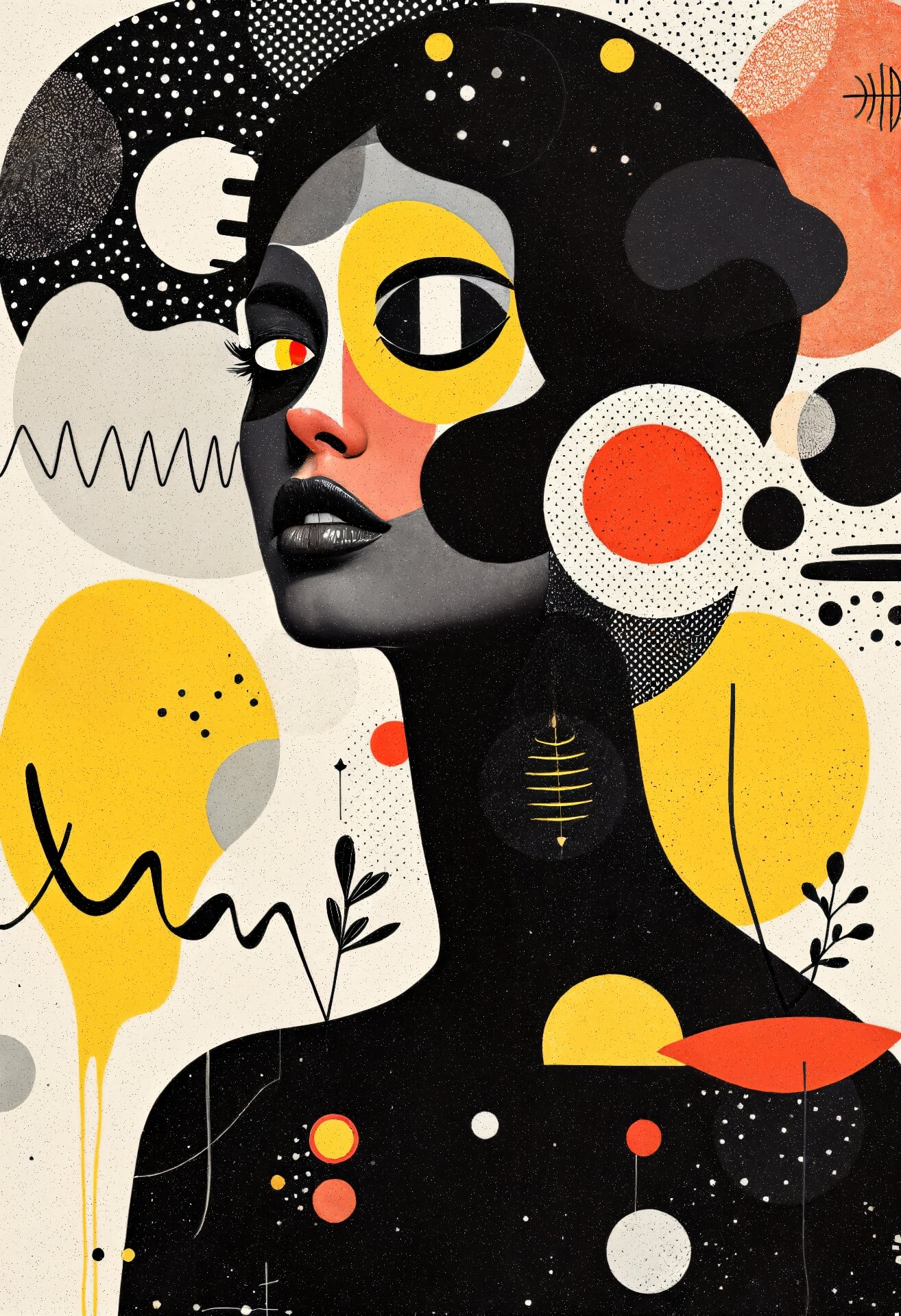
Why Earth-Tone Aesthetics Dominate Modern Design Trends
Step into the world of contemporary aesthetics and discover why earth-tone colors are no longer just a niche choice, but a powerful force shaping modern design. From the calming hues of nature that grace our living spaces to the broader strokes of creative lifestyle inspirations, these natural palettes are captivating designers and consumers alike. This article delves into the core reasons behind their enduring appeal, exploring the subtle yet profound impact of earth tones on our perception and well-being, and why they’ve become a cornerstone of sophisticated, grounded design.
The Psychological Allure of Earth Tones
The dominance of earth-tone colors in modern design isn’t merely a fleeting trend; it’s deeply rooted in color psychology and our innate connection to the natural world. Colors like warm browns, muted greens, sandy beiges, and terracotta evoke feelings of stability, comfort, and security. These hues are reminiscent of natural landscapes – soil, stone, wood, and foliage – which have historically provided us with shelter and sustenance. This subconscious association triggers a sense of grounding and tranquility, making spaces adorned with earth tones feel more inviting and restorative. In an increasingly fast-paced and digitally saturated world, people are seeking environments that offer a refuge, a place to decompress and reconnect with a sense of calm. Earth tones provide exactly that, fostering a peaceful atmosphere that is both sophisticated and deeply reassuring. This psychological resonance translates into a powerful demand for interior design aesthetics and broader creative lifestyle inspirations that embrace these natural color palettes.
Connection to Nature and Biophilic Design
The rise of earth-tone aesthetics is intrinsically linked to the growing popularity of biophilic design – the concept of incorporating nature into built environments to improve human well-being. Earth tones are the visual language of the natural world, and by integrating them into our homes and workspaces, we create a stronger connection to the outdoors. This connection can reduce stress, enhance creativity, and improve overall mood. Designers are increasingly leveraging these colors to bring the outdoors in, creating spaces that feel organic, harmonious, and alive. This not only makes spaces more aesthetically pleasing but also contributes to a healthier and more sustainable lifestyle, aligning perfectly with a conscious approach to living and design.
Versatility and Timeless Appeal of Natural Color Palettes
One of the key reasons earth-tone colors have become so prevalent in modern design is their remarkable versatility and inherent timelessness. Unlike fleeting trends that come and go, natural color palettes possess an enduring quality that transcends seasons and stylistic shifts. They serve as a sophisticated neutral foundation that can be easily complemented by a wide range of accent colors, from vibrant jewel tones to softer pastels, without ever clashing. This adaptability makes them ideal for various applications, whether it’s creating a serene bedroom sanctuary, a warm and inviting living area, or a professional yet approachable office space. The subtle variations within the earth-tone spectrum – from deep, rich umbers to light, airy creams – offer a vast array of possibilities for creating depth, texture, and visual interest. This makes them a reliable and sophisticated choice for interior design aesthetics that aim for longevity and understated elegance.
Creating Depth and Texture
Earth tones are not monochromatic; they offer a rich tapestry of shades and undertones that can be layered to create incredible depth and texture. Think of the difference between polished oak, rough-hewn timber, smooth river stones, and matte plaster. These natural variations in material and finish, when translated into color, add a tactile quality to spaces. Designers utilize this by combining different textures – think a rough, matte terracotta vase against a smooth, creamy linen sofa, or a dark walnut wood console with a light beige rug. This interplay of textures, unified by a cohesive earth-tone palette, results in interiors that are visually engaging and feel incredibly inviting and luxurious. This nuanced approach to using natural color palettes allows for a sophisticated and highly personalized design expression.
Modern Design Trends Embracing Earth Tones
The influence of earth-tone colors can be observed across various facets of modern design. In interior design, they are the go-to choice for creating serene, minimalist, and Scandinavian-inspired spaces, as well as more bohemian and maximalist environments. They provide a grounding element that balances bolder design choices. Beyond interiors, earth tones are prevalent in fashion, graphic design, and product design, reflecting a broader cultural shift towards authenticity, sustainability, and a connection to the natural world. This widespread adoption signifies a collective appreciation for colors that are both aesthetically pleasing and emotionally resonant. The emphasis on natural materials and sustainable practices further solidifies the position of earth tones as a leading choice for conscious consumers and forward-thinking designers.
Examples in Interior Design
Look around any contemporary home magazine or design blog, and you’ll see earth tones at play. Feature walls painted in deep ochre, furniture upholstered in rich sienna velvet, or accent pieces in natural wood tones are common. Even smaller details, like ceramic tableware in muted greens and browns or woven baskets in sandy beiges, contribute to the overall aesthetic. These elements work together to create a cohesive and calming atmosphere. For instance, a living room might feature a sofa in a warm taupe, complemented by terracotta cushions, a jute rug, and wooden accent furniture. This combination creates a space that feels both grounded and stylish. The popularity of these palettes in both high-end design and everyday decor highlights their broad appeal and effectiveness in creating beautiful, livable spaces.
Conclusion: The Enduring Power of Natural Hues
Earth-tone colors have firmly established themselves as a dominant force in modern design trends, offering a compelling blend of psychological comfort, natural connection, and versatile style. Their ability to evoke feelings of peace, stability, and warmth, coupled with their timeless appeal and adaptability, makes them an enduring choice for interior design aesthetics and a broad range of creative lifestyle inspirations. As we continue to seek balance and authenticity in our lives, the grounding presence of natural color palettes will undoubtedly continue to shape the spaces we inhabit and the world we create around us.
What are your favorite earth-tone colors to incorporate into your designs? Share your thoughts and experiences in the comments below!