
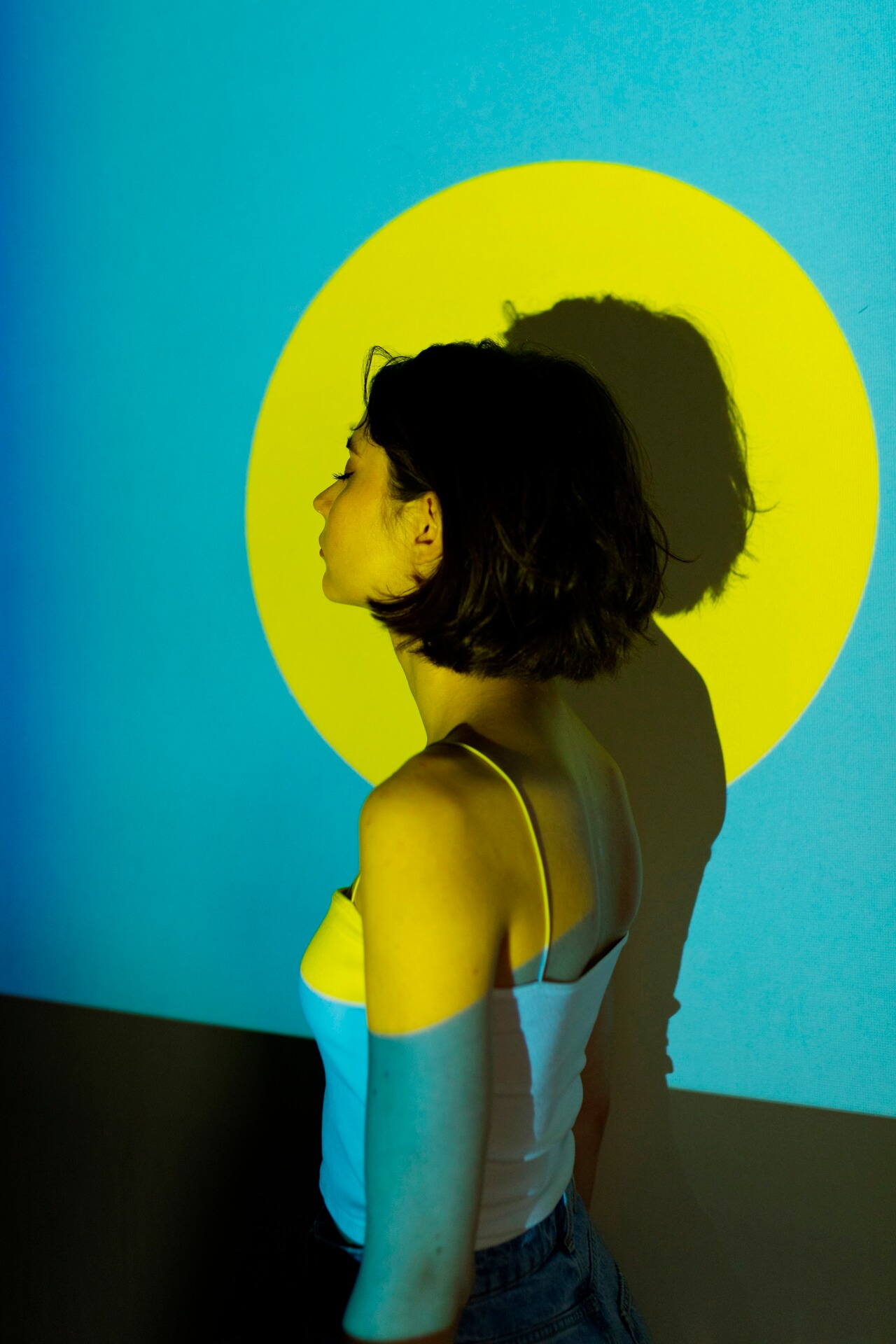
Why Certain Images Feel Instantly Inspirational: A Deep Dive into Creative Design and Visual Inspiration
Have you ever stumbled upon an image that just stops you in your tracks, igniting a spark of creativity or a sense of profound connection? It’s a common experience, yet the reasons behind this immediate emotional and intellectual resonance can be complex. This article delves into the fascinating world of creative design and visual inspiration, exploring what makes certain images so powerfully impactful and how they shape our artistic lifestyle.
The Psychology of Visual Impact: What Makes an Image Inspirational?
Inspirational images are not merely aesthetically pleasing; they tap into deeper psychological triggers. This often involves a combination of elements that resonate with our innate human responses and learned cultural associations. Understanding these triggers is fundamental to both creating and appreciating visually inspiring content.
Color Psychology and Emotional Resonance
Colors possess a powerful ability to evoke emotions and set a specific mood. Warm colors like red and orange can convey energy, passion, and excitement, while cool colors such as blue and green often induce feelings of calmness, serenity, and trust. The strategic use of color palettes in creative design can dramatically influence how an image is perceived and how it inspires the viewer.
Composition and Visual Flow
The arrangement of elements within an image, known as composition, guides the viewer’s eye and dictates the overall narrative. Principles like the rule of thirds, leading lines, and symmetry create balance, harmony, and visual interest. A well-composed image directs attention to the subject matter effectively, enhancing its impact and memorability. This deliberate structuring is a cornerstone of impactful visual content.
Elements of Exceptional Creative Design
Beyond the initial psychological impact, exceptional creative design relies on a set of core principles that elevate an image from good to unforgettable. These principles are honed through practice and a deep understanding of visual communication, contributing significantly to an artistic lifestyle.
Uniqueness and Originality
In a world saturated with visual content, originality stands out. Images that offer a fresh perspective, a novel approach to a familiar subject, or a completely unique concept are more likely to capture attention and inspire. This pursuit of novelty is a driving force in the realm of creative design.
Storytelling Through Visuals
The most compelling images tell a story without uttering a single word. Whether it’s a portrait that captures a moment of intense emotion, a landscape that evokes a sense of adventure, or an abstract piece that suggests a complex narrative, the ability of visual content to communicate a story is a powerful source of inspiration. This narrative quality is crucial for fostering an artistic lifestyle.
Technical Proficiency and Craftsmanship
While concept and emotion are vital, technical skill cannot be overlooked. Mastery of photography, illustration, digital art, or graphic design ensures that the vision is executed effectively. High-quality imagery, whether in its execution or its detail, reflects a dedication to craft that is inherently inspiring.
Cultivating an Artistic Lifestyle Through Visual Inspiration
Visual inspiration is not just about appreciating art; it’s about integrating that appreciation into one’s daily life. An artistic lifestyle is one that actively seeks out and is influenced by creative design and inspirational images.
Sources of Visual Inspiration
Inspiration can be found everywhere. Nature, architecture, human interactions, historical events, and even mundane objects can serve as powerful visual prompts. Museums, galleries, online platforms like drawartfair.com, and even simply observing the world around you are essential for continuous visual intake.
- Exploring diverse art forms: Photography, painting, sculpture, digital art, graphic design.
- Observing the natural world: Landscapes, flora, fauna, celestial bodies.
- Engaging with cultural heritage: Historical art, architecture, traditional crafts.
- Following contemporary artists and designers: Staying updated on current trends and innovative work.
- Personal experiences and emotions: Translating feelings and memories into visual ideas.
Applying Visual Inspiration to Personal Projects
The true value of visual inspiration lies in its application. Whether you’re a professional designer, an amateur artist, or simply someone who enjoys creative pursuits, actively using inspirational images to fuel your own projects is key. This could involve mood boards, sketching from reference, or simply letting the essence of an image inform your creative direction.
Conclusion: The Enduring Power of Inspirational Images
In conclusion, certain images possess an almost magical ability to inspire us instantly due to a confluence of psychological triggers, masterful creative design, and compelling storytelling. They speak a universal language that transcends words, touching our emotions and stimulating our intellect. By understanding the elements that contribute to their impact and actively seeking out visual inspiration, we can cultivate a richer, more creative artistic lifestyle.
What images have inspired you recently? Share your thoughts and discoveries in the comments below!