
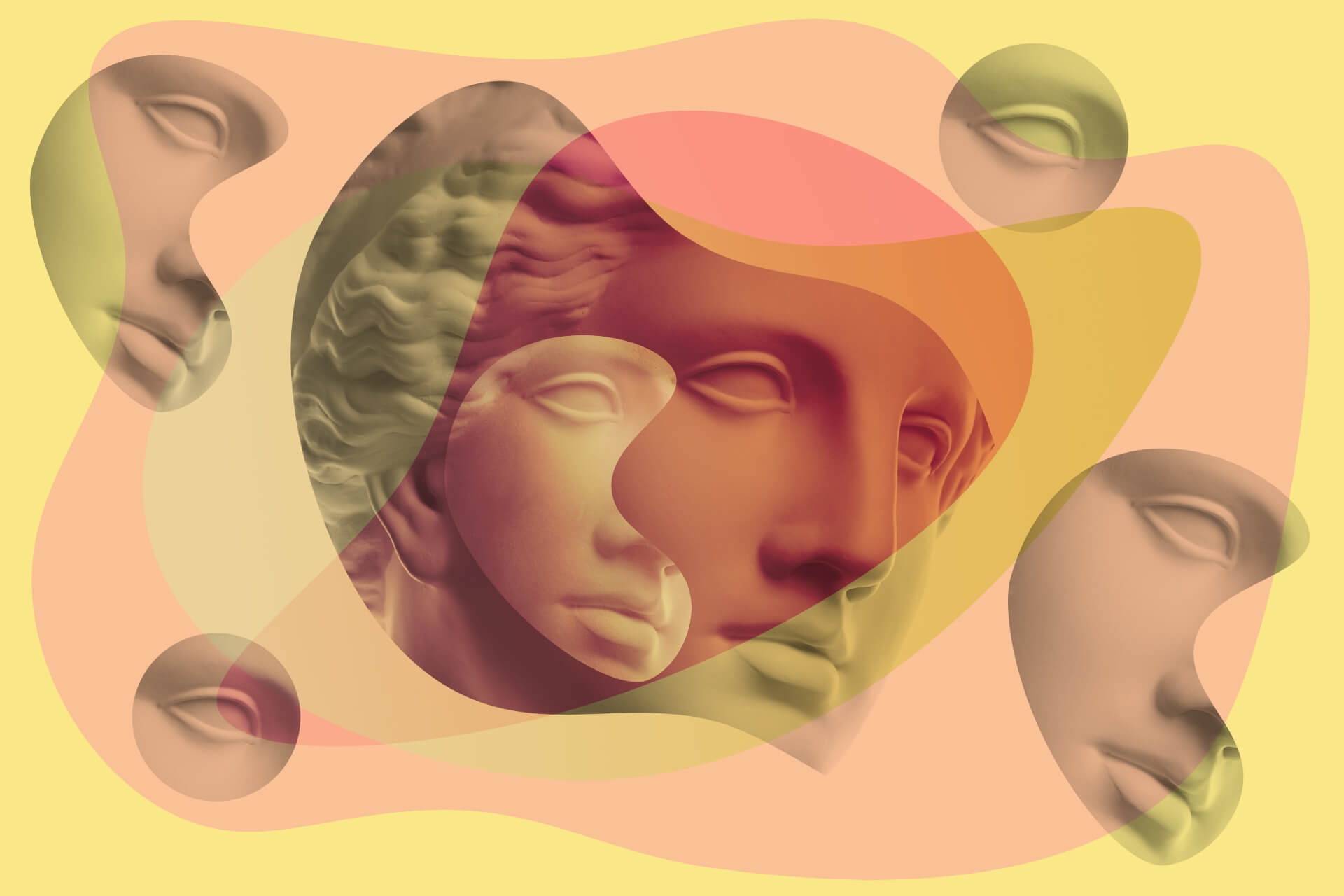
Why Art and Design Are More Connected Than Ever
Step into a world where creativity flourishes and narratives come alive through visuals. In an era defined by rapid digital transformation and a constant influx of information, the lines between various creative disciplines have blurred, revealing a profound and ever-strengthening connection between art and design. This article delves into the essence of creative culture, the power of visual storytelling, and the boundless wellspring of artistic inspiration that fuels innovation across these interconnected fields.
The Essence of Creative Culture and Visual Storytelling
Creative culture is the vibrant ecosystem that nurtures imagination, experimentation, and the generation of novel ideas. It’s a space where individuals and communities are encouraged to express themselves, challenge conventions, and push the boundaries of what’s possible. At the heart of this culture lies visual storytelling – the art of communicating narratives, emotions, and concepts through imagery, composition, and aesthetic choices. Whether it’s a captivating advertisement, a thought-provoking film, a compelling website interface, or a meticulously crafted exhibition, visual storytelling is the universal language that transcends linguistic barriers and speaks directly to our senses and emotions.
The Role of Art in Shaping Narratives
Art, in its myriad forms, has always been a powerful tool for storytelling. From ancient cave paintings to contemporary digital installations, artists have used their craft to record history, express societal values, explore the human condition, and provoke dialogue. The narrative embedded within a piece of art can be explicit or implicit, inviting viewers to interpret, connect, and engage with the message on a personal level. This inherent narrative quality makes art a foundational element of visual storytelling, providing the emotional depth and conceptual framework upon which compelling stories are built.
Artistic Inspiration as the Engine of Innovation
Artistic inspiration is the spark that ignites the creative process. It’s the sudden flash of insight, the compelling idea, or the deep emotional resonance that drives artists and designers to create. This inspiration can stem from anywhere: the natural world, human experiences, historical events, other works of art, or even abstract concepts. Crucially, artistic inspiration is not confined to the realm of fine art; it’s a vital force that permeates all creative industries, including graphic design, product design, fashion, architecture, and digital media. Designers often look to art for aesthetic cues, conceptual frameworks, and novel approaches to problem-solving.
Cross-Pollination of Ideas Between Art and Design
The relationship between art and design is symbiotic. Design, with its focus on functionality, problem-solving, and user experience, often draws heavily from the aesthetic principles and emotional resonance found in art. Conversely, art can be influenced by the practical considerations and technological advancements that drive design. This cross-pollination leads to innovative solutions that are both aesthetically pleasing and functionally effective. For instance, a graphic designer might use artistic techniques to create a more engaging brand identity, while a painter might experiment with digital tools and design software to explore new forms of expression.
The Evolving Landscape: Technology and Interconnectivity
The digital revolution has further amplified the connection between art and design. New technologies, such as 3D printing, virtual reality (VR), augmented reality (AR), and sophisticated digital art software, have opened up unprecedented avenues for creative exploration. Artists and designers can now collaborate on global platforms, share their work instantaneously, and reach wider audiences than ever before. This technological convergence means that the creation, dissemination, and consumption of art and design are becoming increasingly intertwined, fostering a more dynamic and accessible creative landscape.
Examples of Art and Design Interplay
Consider the realm of digital interfaces. The intuitive navigation and aesthetic appeal of a well-designed app or website are often the result of applying artistic principles of composition, color theory, and visual hierarchy. Similarly, product design benefits from artistic considerations of form, texture, and user interaction. Fashion designers frequently collaborate with visual artists to create unique prints and patterns, blurring the lines between wearable art and functional clothing. Architecture, too, is a testament to this connection, where structures often serve as monumental works of art, blending aesthetic vision with practical engineering.
Conclusion: A Unified Creative Force
In conclusion, the distinction between art and design is becoming increasingly fluid. Both disciplines are driven by a shared commitment to creativity, innovation, and effective communication through visual means. Creative culture provides the fertile ground for these ideas to grow, while visual storytelling and artistic inspiration act as the essential catalysts. As technology continues to evolve and our world becomes more interconnected, the bond between art and design will only strengthen, leading to richer, more impactful, and more meaningful creative expressions that shape our experiences and enrich our lives.
What are your thoughts on the evolving relationship between art and design? Share your insights and experiences in the comments below!