
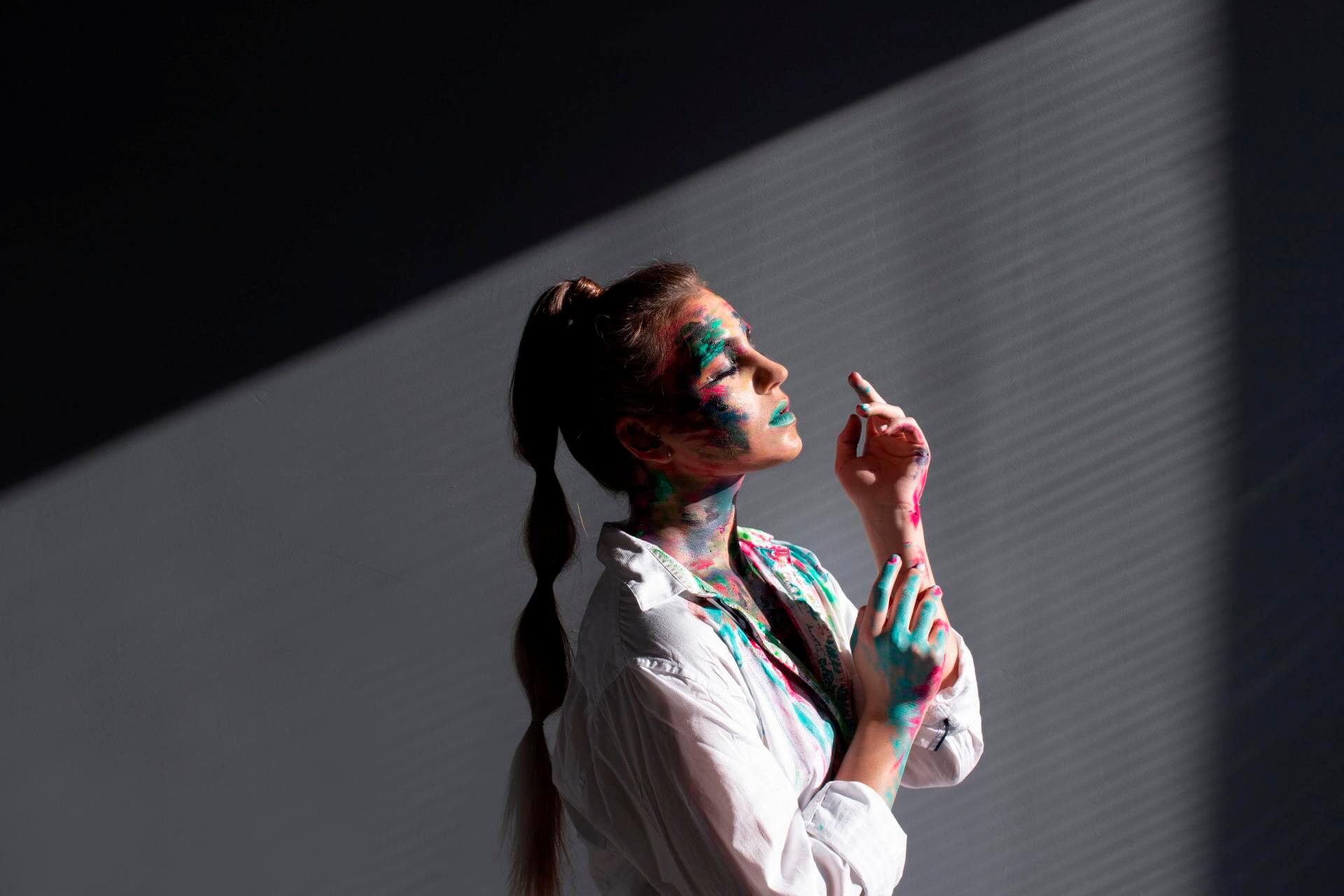
The Rise of Cinematic Visual Storytelling in Modern Design
Explore the captivating world of cinematic visual storytelling and its profound impact on contemporary design. Discover how this powerful narrative technique is revolutionizing creative design and shaping the artistic lifestyle of today. From immersive brand experiences to breathtaking digital art, cinematic principles are transforming how we perceive and interact with visual content.
What is Cinematic Visual Storytelling?
Cinematic visual storytelling is the art of crafting narratives through visual elements, drawing inspiration from the techniques used in filmmaking. It involves leveraging composition, lighting, color palettes, camera angles (even in static design), and pacing to evoke emotions, convey messages, and build immersive worlds for the audience. This approach moves beyond simple aesthetics, focusing on creating a deeper connection and a memorable experience for the viewer.
Key Elements of Cinematic Storytelling in Design
- Composition and Framing: Utilizing rule of thirds, leading lines, and deliberate framing to guide the viewer’s eye and create a sense of depth or focus, much like a film director.
- Lighting and Shadow: Employing dramatic lighting, chiaroscuro, and strategic use of shadows to create mood, atmosphere, and highlight key elements.
- Color Palette: Selecting color schemes that evoke specific emotions and align with the narrative’s tone, ranging from vibrant and energetic to muted and melancholic.
- Atmosphere and Mood: Building a palpable sense of atmosphere through subtle details, textures, and environmental design that transports the viewer into the scene.
- Narrative Flow: Even in static designs, there’s a sense of progression or implied narrative, drawing the viewer through the visual journey.
Impact on Modern Design Trends
The influence of cinematic visual storytelling is evident across various design disciplines. In graphic design, brands are adopting more sophisticated visual narratives to build stronger connections with their target audiences. Websites and user interfaces are designed to feel more experiential, with animations and layouts that mimic cinematic pacing and scene transitions. This trend encourages designers to think beyond static images and create dynamic, engaging visual journeys.
Visual Inspiration and Brand Identity
Cinematic storytelling provides a rich source of visual inspiration for creating unique brand identities. It allows companies to move beyond generic imagery and craft unique visual worlds that resonate deeply with consumers. Think of how certain film genres establish distinct aesthetics; this same principle can be applied to brand design, creating recognizable and emotionally compelling visual languages that set brands apart in a crowded marketplace.
Creative Design and Artistic Lifestyle
For artists and designers, embracing cinematic visual storytelling opens up new avenues for creative expression. It encourages experimentation with different media, from digital art and illustration to interactive installations. This approach fosters an artistic lifestyle that is deeply intertwined with narrative and emotional resonance. The goal is not just to create something visually appealing, but something that tells a story, sparks imagination, and leaves a lasting impression on the viewer, transforming the way we experience art and design in our daily lives.
The Future of Visual Narrative
As technology advances, the lines between design, film, and interactive experiences will continue to blur. Expect to see even more immersive and engaging visual narratives emerge, powered by augmented reality, virtual reality, and sophisticated AI tools. The principles of cinematic visual storytelling will remain at the core, guiding designers to create experiences that are not only beautiful but also deeply meaningful and impactful.
In conclusion, cinematic visual storytelling is more than just a trend; it’s a fundamental shift in how we approach visual communication. By embracing its principles, designers can create more engaging, emotionally resonant, and memorable experiences, pushing the boundaries of creative design and enriching our artistic lifestyle.
Share your thoughts on cinematic visual storytelling in the comments below!