
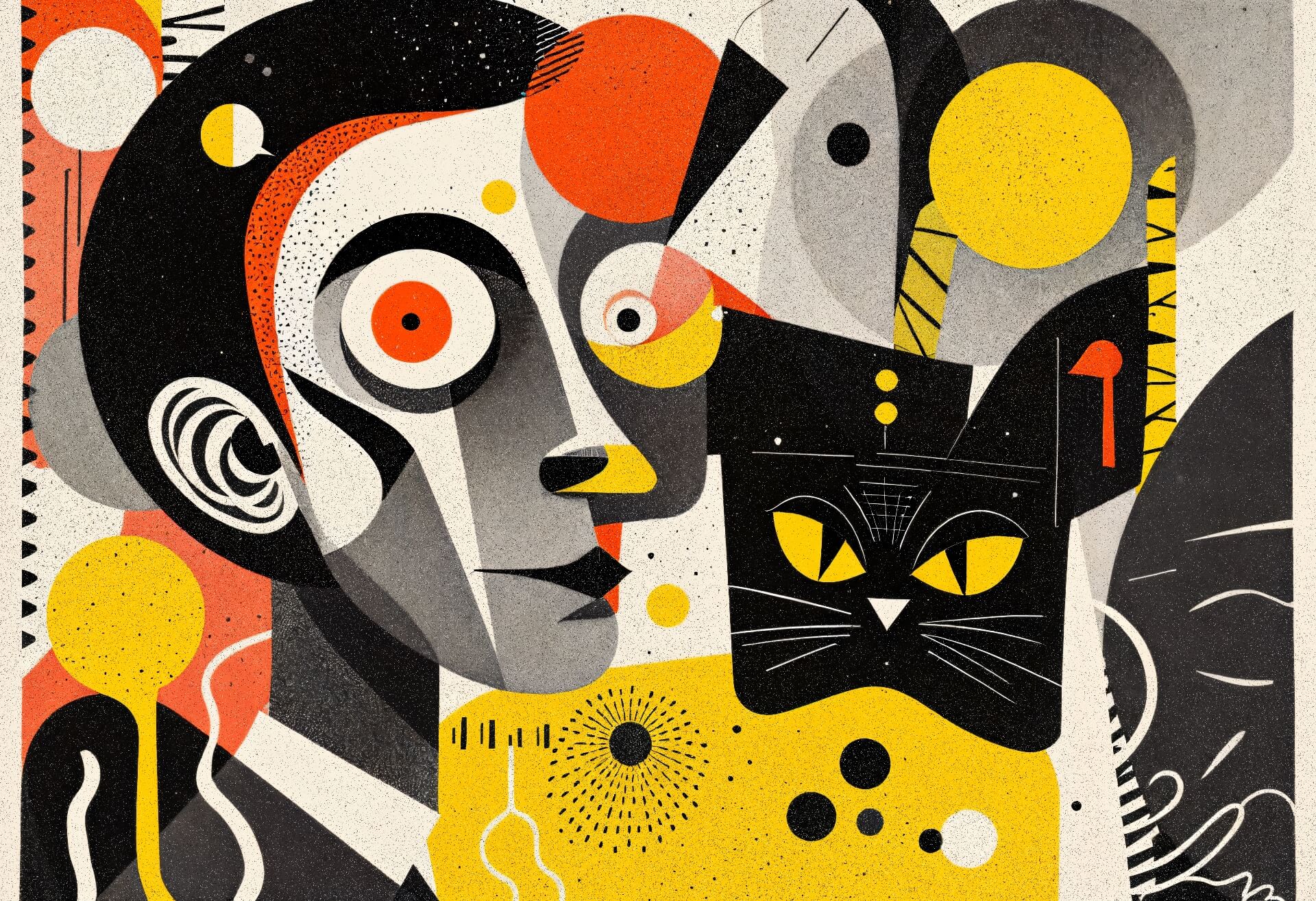
The Psychology Behind Beautifully Designed Spaces
Explore the fascinating intersection of art, design, and psychology. Discover how beautifully designed spaces influence our emotions and well-being, offering inspiration for your creative lifestyle. This article delves into the subtle yet powerful ways that aesthetics, color, form, and arrangement impact our mood, productivity, and overall sense of comfort.
Understanding the Emotional Impact of Color in Design
Color is one of the most potent tools in a designer’s arsenal. Different hues evoke distinct psychological responses. Warm colors like red and orange can stimulate energy and passion, while cool colors such as blue and green often promote calmness and tranquility. Understanding these associations allows for the intentional creation of environments that support specific emotional states.
The Role of Warm vs. Cool Palettes
Warm palettes can make a space feel more intimate and energetic, ideal for social areas or creative studios where vibrancy is desired. Conversely, cool palettes tend to recede visually, making spaces feel larger and more serene, making them excellent choices for bedrooms or relaxation zones. The strategic application of color psychology in interior design can transform the feel of any room.
How Form and Shape Influence Our Perception
Beyond color, the shapes and forms present in a designed space play a crucial role in our psychological experience. Soft, curved lines are often perceived as more comforting and organic, fostering a sense of ease. Sharp, angular forms, on the other hand, can convey a sense of order, modernity, or even tension, depending on their context.
Organic vs. Geometric Designs
Spaces incorporating organic shapes, such as rounded furniture or flowing architectural elements, tend to feel more inviting and natural. Geometric designs, with their clean lines and defined structures, can create a feeling of sophistication and control. The balance between these forms is key to creating harmonious and psychologically pleasing environments.
The Impact of Light on Mood and Well-being
Lighting is a fundamental element in interior design, profoundly affecting our mood and perception of space. Natural light is consistently linked to improved well-being, boosting energy levels and regulating circadian rhythms. Artificial lighting, when thoughtfully implemented, can mimic natural light or create specific atmospheres.
- Natural light enhances productivity and reduces eye strain.
- Warm artificial lighting creates a cozy and relaxing ambiance.
- Cool artificial lighting can promote focus and alertness.
- Strategic lighting can highlight architectural features and artwork.
Creating Inspiring Spaces for a Creative Lifestyle
By understanding the principles of art, design, and psychology, we can consciously craft spaces that not only look beautiful but also actively contribute to our emotional and mental well-being. Whether it’s a home office designed for peak productivity or a living room curated for ultimate relaxation, intentional design choices make a significant difference. This mindful approach to our surroundings is integral to a fulfilling creative lifestyle.
In conclusion, the psychology behind beautifully designed spaces is a complex yet fascinating field. By considering the influence of color, form, light, and layout, we can create environments that foster positive emotions, enhance our daily lives, and inspire our creative endeavors. Experiment with these principles in your own spaces and observe the transformative effects.
What are your favorite design elements that boost your mood? Share your thoughts in the comments below!