
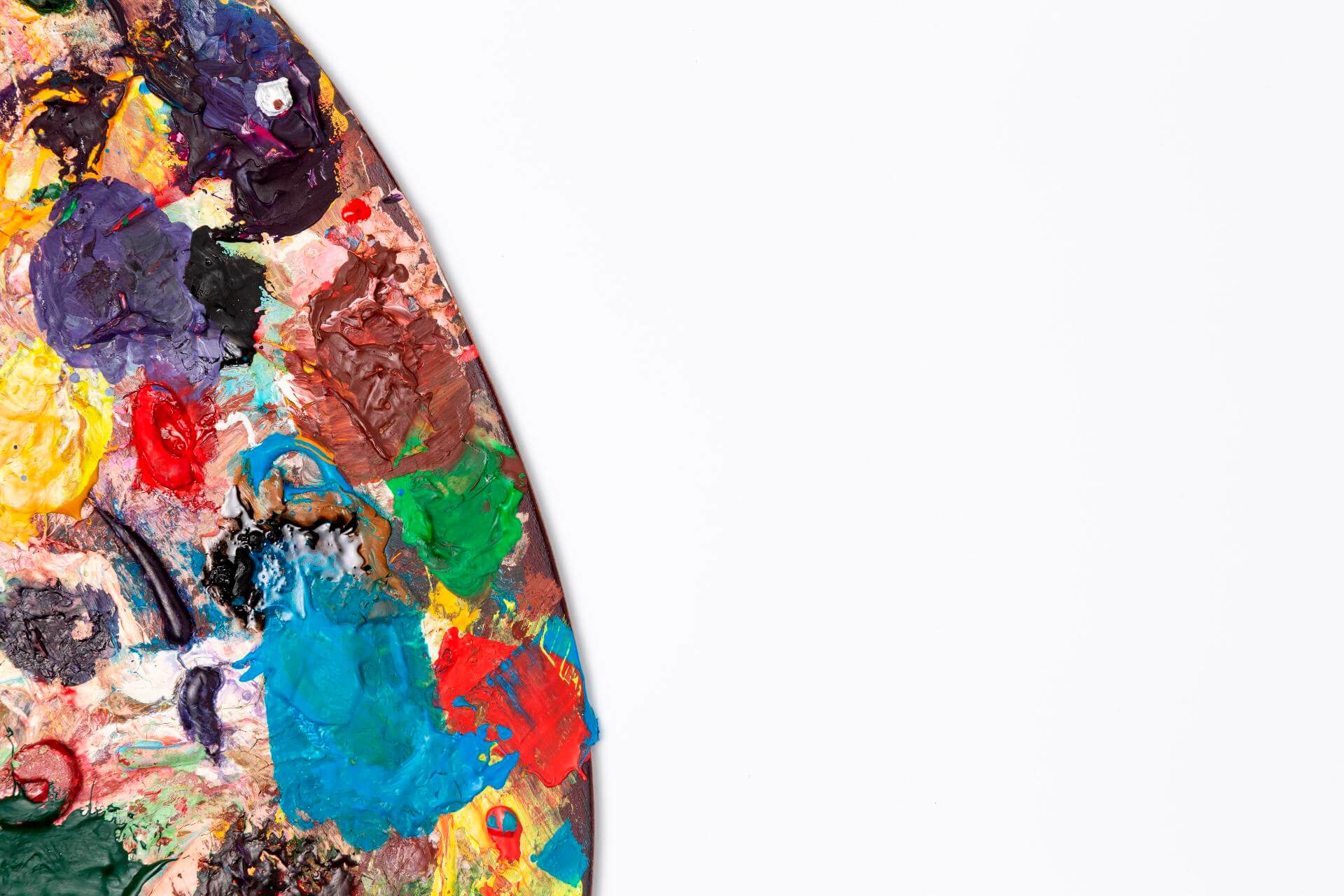
The New Era of Emotional Design: Transforming Everyday Objects
Explore the exciting intersection of art, design, and creative living with us. Discover how the “new era of emotional design” is transforming the everyday objects that surround us, blending functionality with profound feeling. This is not just about aesthetics; it’s about creating connections and evoking genuine emotions.
Understanding Emotional Design
Emotional design is a design philosophy that focuses on creating products, services, or experiences that evoke specific emotional responses from users. It moves beyond mere utility and user-friendliness to tap into the deeper psychological and affective aspects of human interaction. In this new era, designers are increasingly recognizing that objects are not just tools, but companions that can influence our moods, memories, and overall well-being.
The Three Levels of Emotional Design
Psychologist and design expert Don Norman proposed three levels of processing that influence our emotional response to design:
- Visceral level: This is the immediate, instinctual reaction to a design’s appearance. It’s about how something looks, feels, and sounds upon first encounter.
- Behavioral level: This level concerns the user’s experience and effectiveness when interacting with the object or system. It’s about functionality and how well it performs its intended purpose.
- Reflective level: This is the deepest level, involving conscious thought, memory, and self-identity. It’s about the meaning and personal significance we derive from an object over time.
The new era of emotional design emphasizes the holistic integration of these three levels, aiming to create experiences that are not only functional and beautiful but also deeply meaningful and emotionally resonant.
How Emotional Design is Shaping Everyday Objects
The principles of emotional design are subtly but powerfully reshaping the objects we interact with daily. From the gentle curves of a smartphone to the intuitive interface of a smart home device, designers are intentionally crafting experiences that elicit positive emotions.
Enhancing User Experience Through Emotion
Consider the user interface of a popular app. Beyond its functional elements, the use of color palettes, animations, and sound feedback all contribute to the user’s emotional state. A well-designed interface can feel welcoming, efficient, and even delightful, making the user more inclined to engage and return. Conversely, a jarring or frustrating interface can evoke negative emotions, leading to abandonment.
The Role of Aesthetics and Sensory Input
In the realm of everyday objects, aesthetics play a crucial role in emotional design. The choice of materials, textures, colors, and forms can significantly impact how we feel about a product. For example, the smooth, cool touch of brushed aluminum on a laptop can convey sophistication and durability, while the warm, natural grain of wood in furniture can evoke feelings of comfort and stability. Sound design also contributes; the satisfying click of a well-made button or the gentle chime of a notification can enhance the perceived quality and emotional appeal of an object.
Creative Lifestyle and Emotional Connection
The integration of emotional design into everyday objects directly influences our creative lifestyles. When the objects around us are thoughtfully designed to evoke positive emotions, they contribute to a more inspiring and harmonious living environment. This can foster creativity, reduce stress, and enhance our overall sense of well-being.
Creating Meaningful Spaces
Objects that resonate emotionally become more than just possessions; they become extensions of ourselves and contributors to our personal narrative. A carefully chosen piece of art, a handcrafted mug, or a beloved book can hold significant emotional value, transforming a house into a home and a workspace into a sanctuary.
The Future of Design: Beyond Functionality
As we move forward, the emphasis on emotional design is set to grow. Designers will continue to explore innovative ways to connect with users on a deeper level, creating objects and experiences that not only serve a purpose but also enrich our lives emotionally. This shift signifies a maturing of the design field, recognizing that true innovation lies in understanding and catering to the complex emotional landscape of human beings.
The new era of emotional design is about more than just creating attractive products; it’s about fostering deeper connections, enhancing well-being, and infusing our daily lives with joy and meaning through thoughtful and empathetic design. This evolution promises a future where our interactions with the designed world are richer, more fulfilling, and profoundly human.
What are your favorite examples of emotional design in everyday objects? Share your thoughts in the comments below!