
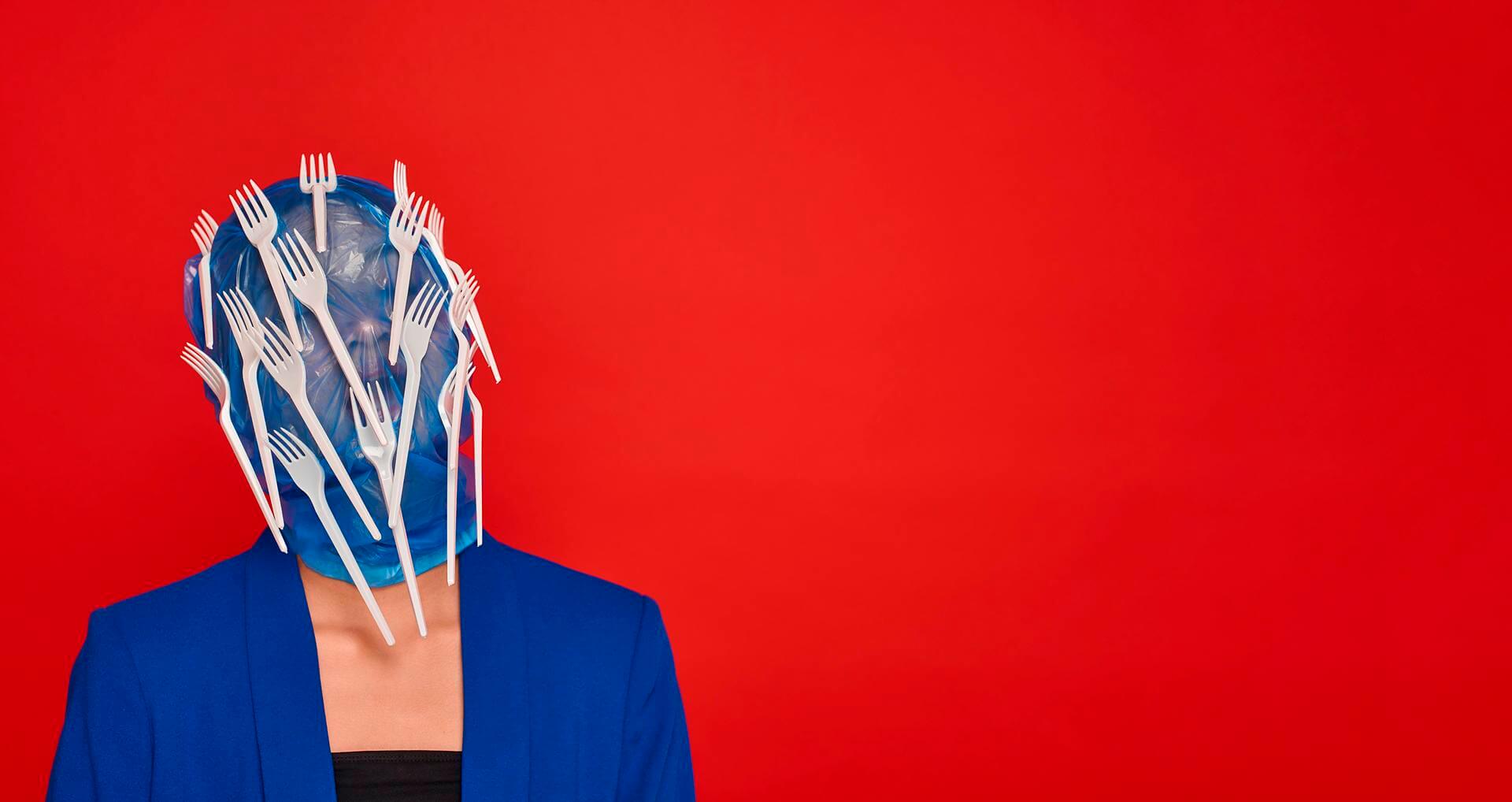
How Visual Culture Influences Everyday Decision Making
Explore how the ‘creative culture’ shapes our daily choices and sparks artistic inspiration. Discover the power of ‘visual storytelling’ and understand ‘how visual culture influences everyday decision making.’ Our surroundings are a constant stream of visual information, from the advertisements we pass on the street to the user interfaces we interact with daily. This pervasive ‘visual culture’ doesn’t just passively exist; it actively shapes how we think, feel, and ultimately, make decisions.
The Pervasive Nature of Visual Culture
Visual culture encompasses all the visual elements that form part of our environment, including art, media, design, and technology. It’s not limited to galleries or museums; it’s embedded in the fabric of our daily lives. The colors of a brand’s logo, the layout of a website, the framing of a photograph in a news article – all these elements communicate messages and evoke emotions that can subtly steer our perceptions and choices. Understanding this influence is key to navigating our visually saturated world more consciously.
Color Psychology and Consumer Behavior
Color plays a significant role in our subconscious. Different colors evoke different emotions and associations. For instance, red can signify urgency or passion, while blue often conveys trust and stability. Brands leverage this understanding in their logos and marketing materials to elicit specific responses from consumers. This psychological impact directly influences purchasing decisions, brand loyalty, and even our perception of product quality.
The Power of Visual Storytelling
Humans are inherently wired for stories. ‘Visual storytelling’ takes this ancient art form and translates it into a powerful medium in the modern age. Through images, videos, and graphics, we can convey complex narratives, emotions, and ideas in a way that resonates deeply and quickly. This is why compelling visuals are central to advertising, journalism, and even personal expression. A well-crafted visual narrative can inspire action, foster empathy, and create memorable experiences that stick with us long after we’ve encountered them.
Inspiring Artistic Expression
Exposure to diverse forms of visual art and design fuels our own ‘artistic inspiration.’ Whether it’s the bold strokes of a contemporary painting, the intricate details of architectural design, or the innovative use of digital media, seeing how others express themselves creatively can spark new ideas and perspectives. This constant influx of visual stimuli from our ‘creative culture’ encourages experimentation and pushes the boundaries of our own imaginative capabilities.
How Visual Culture Influences Everyday Decision Making
Our daily decisions, from what to wear to which route to take to work, are often influenced by the visual cues around us. Social media feeds bombard us with images of trends, lifestyles, and products, creating social pressures and aspirations that guide our choices. The design of our living spaces, the user interface of our smartphones, and the packaging of the food we buy all contribute to a continuous, subtle dialogue between us and the visual world. This dialogue shapes our preferences, habits, and even our long-term goals. Recognizing these influences allows us to make more intentional choices, rather than simply reacting to visual stimuli.
The Impact of Design on Functionality
Beyond aesthetics, design directly impacts how we interact with objects and systems. Intuitive interfaces and well-thought-out product designs make tasks easier and more enjoyable, influencing our choices about which products or services to use. Conversely, poor design can lead to frustration and abandonment, demonstrating how visual elements are intrinsically linked to functionality and user experience.
Conclusion: Navigating the Visual Landscape
In conclusion, ‘creative culture,’ ‘visual storytelling,’ and the broader concept of ‘visual culture’ are not abstract artistic pursuits but fundamental forces shaping our everyday lives and decision-making processes. By understanding how these elements influence our perceptions, emotions, and behaviors, we can become more critical consumers of visual information and more intentional creators of our own experiences. The world presents us with a continuous narrative through images; learning to read and interpret it empowers us to make more informed and inspired choices.
What are your thoughts on how visual culture impacts your decisions? Share your experiences in the comments below!