
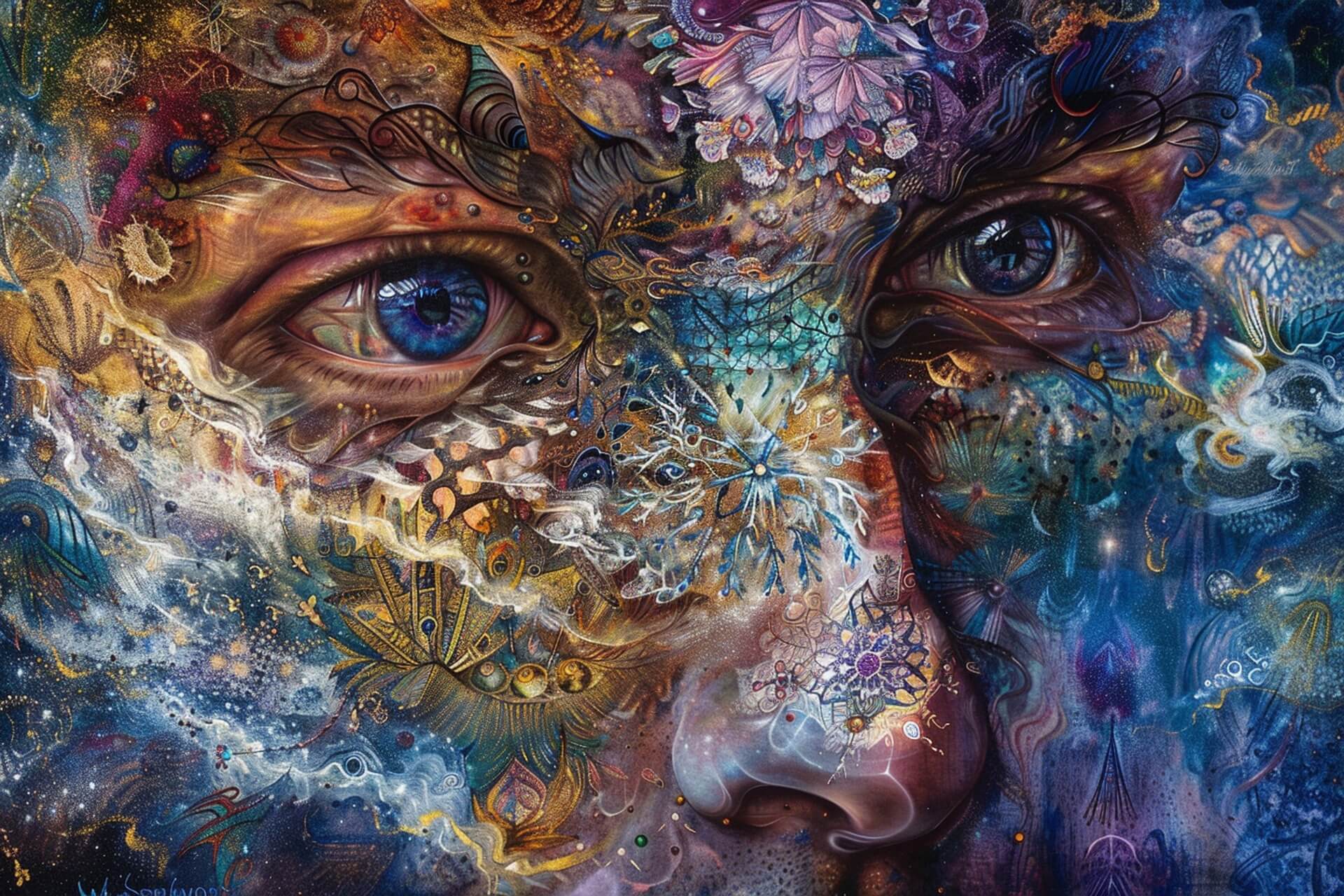
How Modern Artists Use Emotion as Their Main Medium
Discover how contemporary artists harness the power of emotion to fuel their creative expression and shape a vibrant visual lifestyle. Explore the profound connection between artists, emotion, and the captivating world of modern art.
The Intrinsic Link Between Emotion and Artistic Creation
Art has always been a mirror reflecting the human experience, and at the heart of this reflection lies emotion. Modern artists, perhaps more than ever, understand that raw feeling is not just a subject matter, but a fundamental tool—the primary medium through which they communicate, connect, and innovate. This deep-seated connection between artists and their emotional landscapes forms the bedrock of their creative output and profoundly influences their visual lifestyle. By tapping into universal feelings like joy, sorrow, anger, and love, artists can create works that resonate deeply with audiences on a visceral level.
Understanding Emotion as a Medium
Unlike traditional mediums such as paint, clay, or digital software, emotion is intangible yet incredibly potent. Modern artists leverage this by translating their inner emotional states into visual forms. This can manifest in the vibrant, chaotic brushstrokes of an abstract expressionist, conveying intense energy and passion, or in the stark, minimalist compositions of a conceptual artist, evoking feelings of isolation or contemplation. The process involves a deliberate exploration and articulation of personal feelings, which are then transformed into aesthetic elements like color, form, texture, and composition. This intentionality is what elevates emotion from a mere personal feeling to a deliberate artistic choice and a powerful communication tool.
Harnessing Emotion for Creative Expression
Contemporary artists utilize a wide spectrum of emotions to enrich their work. This isn’t limited to expressing personal turmoil or elation; it extends to exploring the collective emotional zeitgeist. Artists may delve into societal anxieties, collective joys, or historical traumas, translating these broader emotional currents into their art. This allows their creations to serve as both personal catharsis and social commentary, fostering empathy and understanding among viewers. The act of transforming a fleeting feeling into a lasting visual piece is a testament to the artist’s skill in wielding emotion as a primary medium.
Techniques for Emotional Expression in Art
- Color Psychology: Artists use colors strategically to evoke specific emotions – warm colors for passion and energy, cool colors for calmness or melancholy.
- Line and Form: Jagged, sharp lines can convey aggression or tension, while smooth, flowing lines might suggest harmony or grace. The distortion of forms can communicate unease or psychological states.
- Composition and Space: The arrangement of elements within a piece and the use of negative space can create feelings of balance, tension, or emptiness.
- Texture and Materiality: The tactile quality of the artwork, whether rough, smooth, or layered, can contribute to the emotional impact, adding a physical dimension to the feeling conveyed.
- Narrative and Symbolism: Artists may embed emotional narratives or symbolic representations within their work to guide the viewer’s interpretation and emotional response.
Emotion as a Catalyst for a Visual Lifestyle
For many modern artists, the deep engagement with emotion is not confined to the studio. It shapes their entire visual lifestyle—how they perceive the world, how they interact with their environment, and how they present themselves. This heightened sensitivity to emotional nuances allows them to find inspiration in everyday moments, transforming the mundane into the extraordinary. Their personal spaces, fashion choices, and even their social interactions can reflect a deliberate cultivation of an aesthetically and emotionally rich existence. This integrated approach means that art and life become intrinsically intertwined, with emotion serving as the constant thread connecting them.
Curating an Emotionally Rich Environment
Artists often curate their surroundings to be sources of inspiration and emotional resonance. This might involve surrounding themselves with objects that hold personal meaning, art that provokes thought, or natural elements that foster a sense of calm or awe. The intentionality behind these choices reflects a conscious effort to live a life that is not only visually stimulating but also emotionally fulfilling. This constant engagement with their environment, filtered through an emotional lens, feeds back into their creative process, creating a virtuous cycle of inspiration and expression.
The Future of Emotion in Modern Art
As technology advances and societal landscapes shift, the ways in which artists express and explore emotion will continue to evolve. New digital tools, immersive experiences, and interdisciplinary collaborations will undoubtedly offer novel avenues for translating feelings into impactful visual statements. However, the core principle remains: emotion is an inexhaustible source of artistic power. Modern artists will continue to push boundaries, using their emotional intelligence and creative vision to craft compelling narratives, challenge perceptions, and inspire a more deeply felt visual world. The dialogue between artist, emotion, and audience is timeless, ensuring that this fundamental aspect of human experience will remain central to the evolution of art.
In conclusion, modern artists masterfully wield emotion not merely as a subject, but as their primary medium. This deep integration of feeling into their creative process shapes their artistic output, influences their personal lifestyles, and allows them to connect with audiences on a profound, universal level. By embracing and articulating the complexities of human emotion, artists continue to create works that are not only visually stunning but also deeply meaningful.
What emotions do you feel are most powerfully expressed in modern art? Share your thoughts in the comments below!