
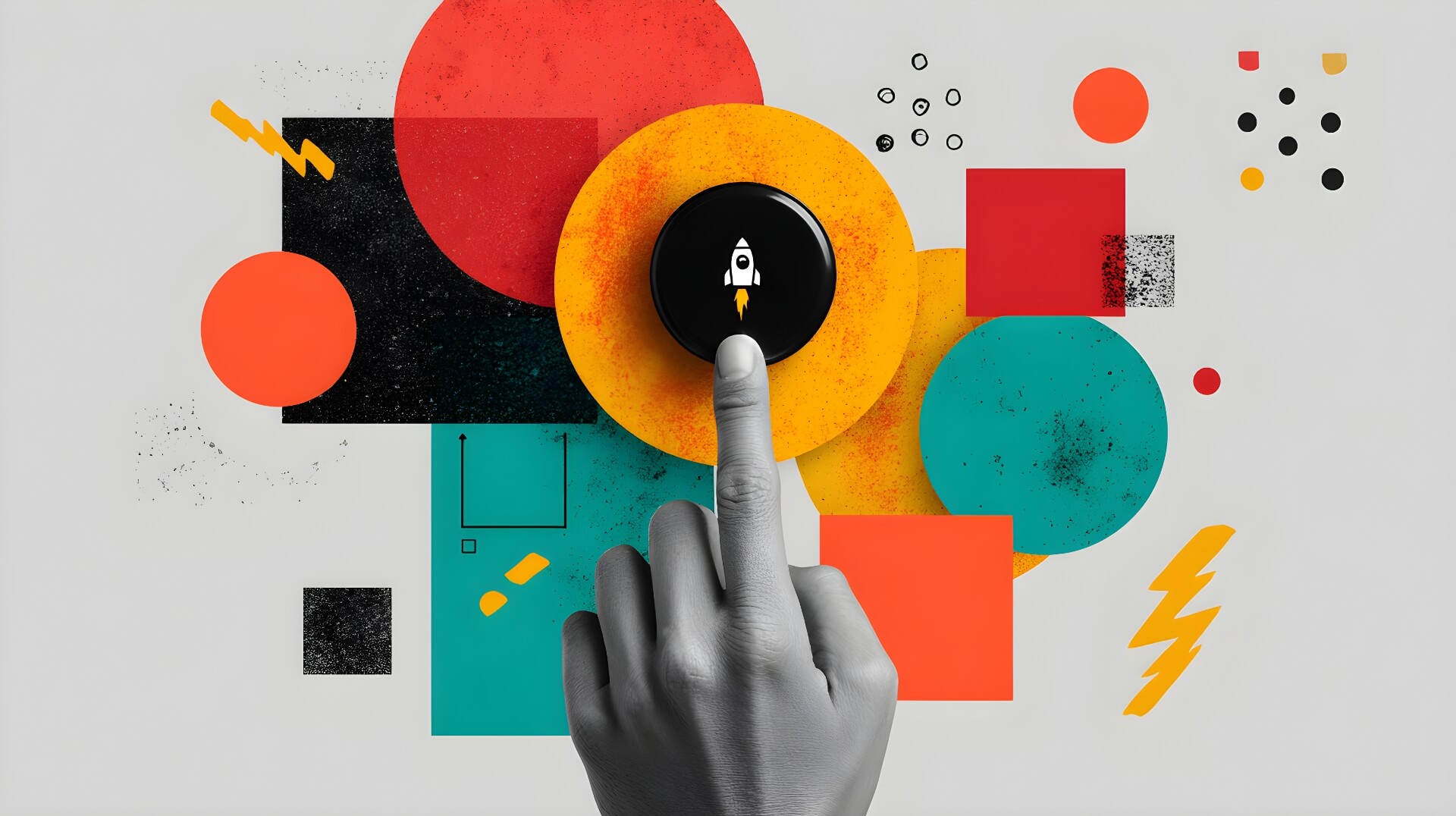
How Creative Direction Shapes Modern Visual Identity
In today’s visually saturated world, the way brands and experiences present themselves is paramount. Creative direction, often an unseen force, is the masterful orchestrator behind compelling visual identities. It’s more than just aesthetics; it’s a strategic discipline that guides the entire visual narrative, ensuring cohesion, impact, and resonance with the intended audience. This exploration delves into the core of creative direction, revealing how it transforms abstract concepts into tangible, unforgettable visual experiences, and how this process fuels artistic lifestyle content and modern design inspiration.
The Foundation: Understanding Creative Direction
Creative direction is the process of managing and guiding the creation of visual content for a project. This can encompass a wide range of outputs, from branding and advertising campaigns to websites, publications, and even physical spaces. A creative director is responsible for developing the overarching artistic vision and ensuring that all visual elements align with the project’s goals and target audience. This involves making critical decisions about color palettes, typography, imagery, tone of voice, and overall aesthetic. Their role is to translate ideas into a coherent and compelling visual language.
Key Responsibilities of a Creative Director
- Defining the overall artistic vision and strategy.
- Translating client needs and project objectives into visual concepts.
- Leading and mentoring design teams.
- Ensuring brand consistency across all platforms.
- Approving design concepts and final deliverables.
- Staying abreast of current design trends and innovations.
Building a Visual Identity: From Concept to Reality
The creation of a strong visual identity is a multi-faceted process heavily influenced by effective creative direction. It begins with a deep understanding of the brand’s values, mission, and target demographic. The creative director then works with their team to brainstorm concepts that will best represent these core elements. This exploratory phase might involve mood boards, sketches, and preliminary design explorations. Once a direction is established, the focus shifts to refining specific assets, such as logos, color schemes, and typography, ensuring they work harmoniously together.
Visual inspiration is a constant driving force throughout this process. Creative directors often draw from a diverse range of sources, including art history, nature, architecture, and contemporary culture, to inform their decisions. This cross-pollination of ideas leads to unique and memorable visual identities that stand out in a crowded marketplace. The goal is to create a visual language that is not only aesthetically pleasing but also functional and communicative, effectively conveying the essence of the brand or project.
The Impact on Artistic Lifestyle and Modern Design
Creative direction plays a pivotal role in shaping the modern artistic lifestyle and influencing contemporary design trends. As consumers become more visually discerning, the demand for authentic and well-executed visual experiences grows. Creative directors are at the forefront of this movement, pushing boundaries and setting new standards for design excellence. Their work on branding, advertising, and editorial content directly impacts how we perceive and interact with art, culture, and consumer products.
Furthermore, the insights and strategies employed in creative direction often filter down into broader design inspiration. The innovative use of typography, the bold application of color, or the masterful composition of imagery can inspire designers in various fields, from graphic design and web development to fashion and interior design. This ripple effect underscores the profound influence of creative direction in shaping the aesthetic landscape of our times. The continuous exploration of visual inspiration fuels this dynamic evolution, making it a cornerstone of both artistic endeavors and commercial success.
Case Studies: Creative Direction in Action
Examining real-world examples can vividly illustrate the power of creative direction. Consider a tech startup launching a new app. The creative director would guide the development of a clean, modern, and intuitive interface, perhaps using a vibrant color palette to convey innovation and energy. This would extend to their marketing materials, ensuring a consistent visual message across social media, website, and advertising. The resulting visual identity would not only attract users but also communicate the app’s functionality and brand personality effectively.
Alternatively, a luxury fashion brand might employ creative direction to evoke a sense of timeless elegance and exclusivity. This could involve sophisticated photography, refined typography, and a muted color palette for their campaigns and lookbooks. The visual identity would communicate heritage, quality, and aspiration, resonating with their high-end clientele. These examples demonstrate how strategic creative direction translates into tangible outcomes that define a brand’s presence and appeal.
The Future of Visual Identity and Creative Direction
As technology continues to evolve, so too will the practice of creative direction. The rise of artificial intelligence, augmented reality, and virtual reality presents new frontiers for visual storytelling. Creative directors will need to adapt and innovate, leveraging these new tools to craft even more immersive and interactive visual experiences. The fundamental principles of strong creative direction – understanding the audience, defining a clear vision, and ensuring cohesive execution – will remain critical, but the methods and mediums will undoubtedly expand.
The emphasis on authentic and meaningful visual communication will only intensify. Brands that can effectively connect with their audience on an emotional level through compelling visual identities will thrive. Creative direction will continue to be the driving force behind this, pushing the boundaries of what is possible and inspiring new ways of seeing and interacting with the world. The ongoing quest for visual inspiration will remain central to this evolution, ensuring that modern design continues to be dynamic and engaging.
In conclusion, creative direction is an indispensable discipline for crafting impactful visual identities. It bridges the gap between abstract ideas and tangible realities, guiding the aesthetic journey of brands and projects. By understanding its principles and witnessing its application, we gain a deeper appreciation for the artistry and strategy that shape the visual landscape of our modern world, continuously drawing from and contributing to a rich wellspring of artistic lifestyle and design inspiration.
What are your thoughts on the most impactful visual identities you’ve encountered? Share your insights in the comments below!