
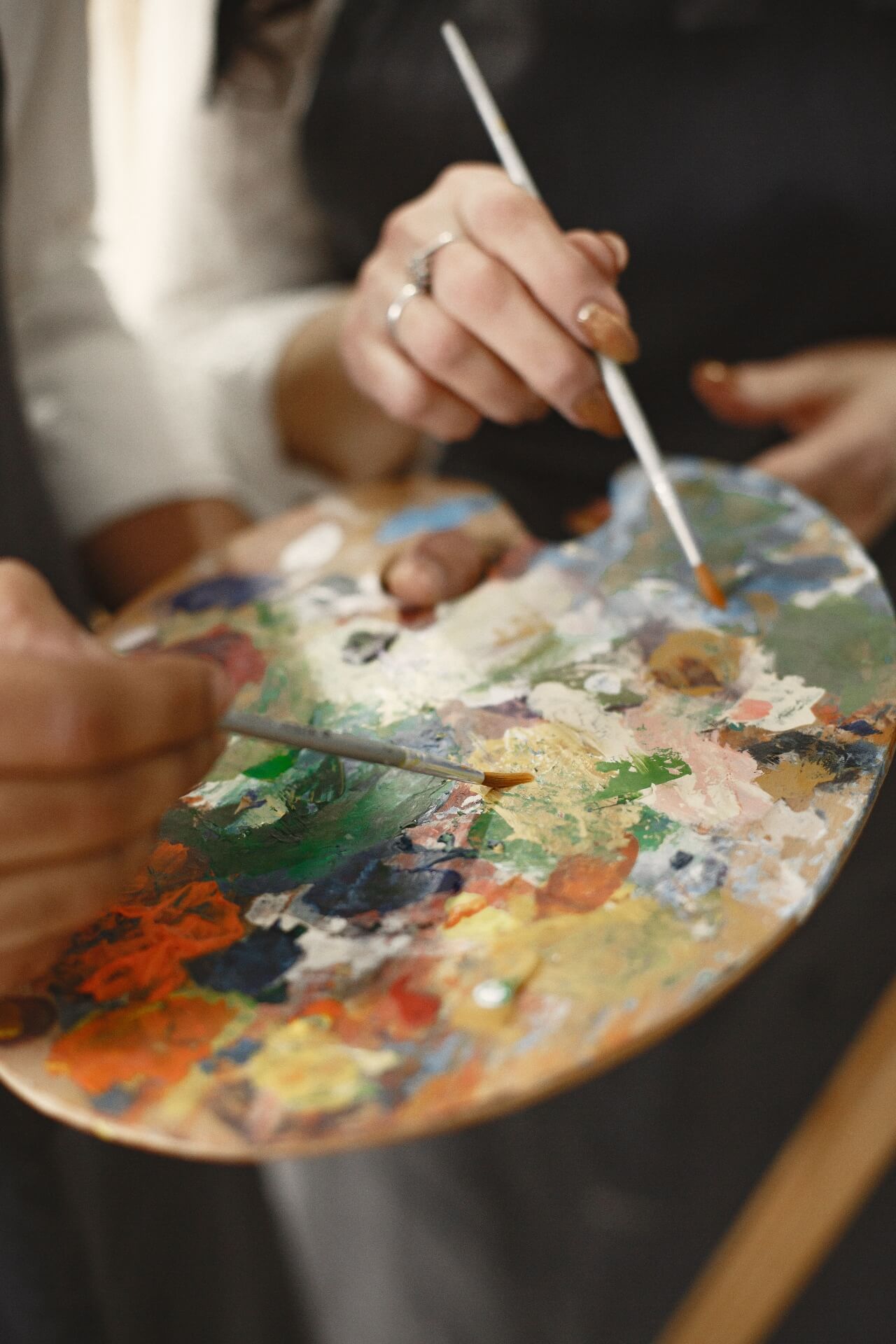
Artists Blending Technology With Traditional Techniques
Discover how artists are revolutionizing the art world by merging cutting-edge technology with timeless traditional methods, offering a fresh wave of creativity and visual lifestyle inspiration. This exploration delves into the fascinating intersection where digital innovation meets the tactile world of classic artistry, creating works that are both contemporary and deeply rooted in heritage. The modern artist’s toolkit has expanded exponentially, allowing for unprecedented experimentation and the birth of entirely new aesthetic paradigms. Prepare to be inspired by the ingenuity of creators who are not just adapting to change, but actively shaping the future of visual expression.
The Evolving Landscape of Artistic Creation
The contemporary art scene is characterized by a dynamic evolution, where artists are increasingly pushing boundaries by integrating technological advancements into their practices. This fusion isn’t about replacing traditional methods but augmenting them, creating a richer, more complex artistic language. From digital painting that mimics the texture of oil on canvas to 3D printing that brings sculptures to life in ways previously unimaginable, technology offers artists new avenues for exploration. This synergy allows for a broader reach, enabling artists to engage with audiences through interactive installations and digital platforms, thereby expanding the very definition of what it means to be an artist in the 21st century.
Embracing Digital Tools for Enhanced Expression
Digital tools have become indispensable for many artists, offering unparalleled flexibility and precision. Software like Adobe Photoshop or Procreate allows for intricate layering, color manipulation, and the creation of complex textures that can be difficult or time-consuming to achieve with physical mediums. This digital sketching and refinement process can serve as a powerful precursor to traditional work, allowing artists to iterate on ideas rapidly. Furthermore, augmented reality (AR) and virtual reality (VR) are opening up new dimensions for artistic presentation and experience, allowing viewers to interact with art in immersive environments. Artists leveraging these technologies are not just creating static pieces but dynamic, evolving experiences.
Innovators Merging Worlds: Case Studies
The most compelling examples of this trend come from artists who have mastered both traditional craftsmanship and digital innovation. These individuals often begin with a deep understanding of classical techniques – be it oil painting, sculpture, or printmaking – and then thoughtfully integrate technological elements to enhance their vision. For instance, some artists use 3D scanning to capture intricate details of real-world objects, which are then manipulated digitally and used as blueprints for robotic fabrication or complex sculptural forms. Others employ generative art algorithms to create patterns or textures that are then meticulously hand-painted onto a canvas, blending algorithmic precision with human touch.
- Digital Painting with Traditional Aesthetics: Artists utilize digital brushes and software to replicate the subtle nuances of oil or watercolor, often printing these works on textured surfaces that mimic canvas or paper, blurring the lines between digital and physical art.
- 3D Printing and Sculpture: Traditional sculpting skills are augmented by 3D modeling software, allowing for the creation of complex geometries that are then materialized through advanced printing techniques, sometimes finished by hand to add a unique artistic patina.
- Interactive Installations: Combining physical art objects with sensors, projection mapping, and responsive software, artists create environments that change based on viewer interaction, making the audience an active participant in the artwork.
- Augmented Reality Layers: Artists create traditional paintings or sculptures that, when viewed through a smartphone or AR device, reveal hidden digital layers, animations, or contextual information, offering a multi-dimensional viewing experience.
These artists demonstrate that technology is not a substitute for skill but a powerful amplifier. The ability to experiment with scale, material, and form is vastly expanded, leading to works that challenge conventional perceptions and ignite new forms of visual dialogue. The resulting artworks often possess a unique depth, a dialogue between the past and the future, the tangible and the virtual.
Inspiring a New Visual Lifestyle
The integration of technology into traditional art forms is not merely an aesthetic choice; it’s a reflection of our increasingly digitized world and a source of fresh visual lifestyle inspiration. These artists are creating works that resonate with a contemporary audience familiar with digital interfaces, while still honoring the enduring appeal of handcrafted objects. They offer a vision where technological progress and artistic tradition can coexist harmoniously, enriching our environments and our understanding of creativity. This fusion encourages us to rethink how art is made, experienced, and integrated into our daily lives, fostering a culture that values both innovation and heritage.
In conclusion, the artists who successfully blend technology with traditional techniques are at the forefront of a creative revolution. They are not only producing groundbreaking works but are also expanding the possibilities for artistic expression and influencing our visual culture. Their innovative approaches serve as a powerful testament to the enduring spirit of creativity and the boundless potential that arises when disciplines converge. By embracing both the digital and the physical, they offer a compelling glimpse into the future of art, proving that tradition and technology can indeed forge a path toward extraordinary new horizons.
Share your thoughts on this fusion of art and technology in the comments below! Which artists inspire you the most in this evolving landscape?